
Key Concepts
- Grandparents do not have an automatic right to see their grandchildren. They can, however, apply to the court for a contact order.
- Courts first ask whether to defer to the parent’s decision. They look at the existing relationship, whether the decision puts it at risk, and whether the parent acted arbitrarily.
- The child’s best interests decide the outcome. If contact is ordered, it can be tailored to the child’s needs, from video calls to supervised visits.
There’s no doubt that grandparents can play an important role in a child’s life, but grandparents’ rights in Ontario are more limited than many families expect. In Ontario, grandparents can ask the court to make an order for more time or, as it’s referred to legally, contact with their grandchildren under section 21(3) of the Children’s Law Reform Act.
However, grandparents don’t have an automatic right to see their grandchildren. Ontario courts generally respect a parent’s decisions about their child’s upbringing and relationships, particularly where those decisions are reasonable and based on the child’s needs.
So, when a parent refuses to allow a grandparent to see their grandchild, when will an Ontario court intervene?
The answer doesn’t simply depend on whether a grandparent wants to maintain a relationship with their grandchild, or whether they believe that relationship would benefit the child. The focus is on the child’s best interests, and the court must consider: is it in a child’s best interests to ensure contact with grandparents, or is it in a child’s best interests to respect parental decisions?
Parental Autonomy: When Will a Court Interfere With a Parent’s Decision?
The law recognizes that parents are ordinarily best placed to make decisions about their children’s upbringing and are generally presumed to act in their children’s best interests.
A grandparent may genuinely believe that a parent is making the wrong decision by restricting contact. They may believe that their grandchild is missing out on an important relationship, or that maintaining contact would provide the child with greater stability and support.
But, consider, as the Washington Supreme Court opined in In re Custody of Smith, allowing courts to substitute their own judgment too readily could be “the logical equivalent to asserting that the state has the authority to break up stable families and redistribute its infant population to provide each child with the ‘best family.'”
Although In re Custody of Smith is an American decision, the Ontario Court of Appeal has also recognized the importance of parental autonomy in Chapman v. Chapman. This principle helps explain why Ontario courts approach grandparent-contact applications cautiously.
Before substituting its own judgment for a parent’s, the court will consider whether the parent’s decision deserves deference. In doing so, it will look at whether a positive relationship between the grandparent and grandchild already exists, whether the parent’s decision threatens that relationship, and whether the parent has acted arbitrarily.
Should the Court Defer to the Parent’s Decision?

While the Children’s Law Reform Act requires courts to consider only the child’s best interests when deciding whether to make a contact order, Ontario courts also recognize that parents should generally be trusted to make decisions about their children’s relationships and will give considerable weight to a parent’s decisions. These principles work together. Before it can assess the child’s best interests, the court will assess whether it should defer to the parent’s decision by considering the answers to three questions:
- Does a positive grandparent-grandchild relationship already exist?
- Does the parent’s decision imperil that relationship?
- Has the parent acted arbitrarily?
Does a Positive Grandparent-Grandchild Relationship Already Exist?
The court will consider whether there is an established, positive relationship that is worth preserving. It will assess the nature and extent of the relationship before contact was restricted. The length and quality of the relationship, the amount of time spent together and the child’s age will all be relevant. The existence of a previously positive relationship does not guarantee that contact will be ordered. The court must also consider the child’s current circumstances, the passage of time, any conflict between the parties and whether contact can take place safely and in a manner that benefits the child.
This also does not mean that contact will never be granted in circumstances where a grandparent hasn’t had the chance to establish a meaningful relationship in the first place. However, a grandparent who has been substantially involved in raising a child, regularly provided care and developed a close emotional bond is in a different position from a grandparent who has had relatively little involvement in the child’s life.
Does the Parent’s Decision Imperil That Relationship?
The court will consider whether the parent’s decision has jeopardized or effectively terminated an existing relationship. While a grandparent might be unhappy with when, where, and how access occurs, that does not necessarily mean the relationship has been placed at risk.
The court will look at the practical effect of the parent’s decision on the relationship. For instance, consider a grandparent who has been regularly involved in a grandchild’s life for several years, including providing childcare, attending school events and spending weekends together. Following a disagreement between the adults, the parent suddenly prevents all further contact. A complete termination of contact in those circumstances may place an established relationship at risk.
Has the Parent Acted Arbitrarily?

The court will consider the reasons for the parent’s decision and whether those reasons are connected to the child’s best interests. A parent is not acting arbitrarily simply because a grandparent disagrees with their decision or believes that the decision is unfair.
For example, a parent may have legitimate concerns about a grandparent’s conduct, including whether the grandparent undermines parental authority, exposes the child to adult conflict, disregards boundaries or creates an emotionally harmful environment. In those circumstances, the parent’s decision may be a reasonable exercise of parental judgment.
On the other hand, if a parent terminates contact simply because of a disagreement with the grandparent, without regard to the child’s existing relationship or the impact of ending contact, the court may be more inclined to find that the decision was arbitrary.
If the court determines that it should not defer to the parent’s decision, this does not mean that contact is automatically granted. It means the court must proceed to consider the best interests of the child.
Is Contact in the Child’s Best Interests?
The best-interests test is deliberately broad. There is no single arrangement that will be right for every child, and the court will consider the circumstances of the particular child before it. Primary consideration is given to a child’s physical, emotional and psychological safety, security and well-being, and all of the following factors are considered:
- The child’s needs, given their age and stage of development.
- The nature and strength of the child’s relationship with each parent, siblings, grandparents and other important people in the child’s life.
- The history of care provided to the child.
- The child’s views and preferences, taking into account their age and maturity.
- The child’s cultural, linguistic, religious and spiritual upbringing and heritage.
- Any plans for the child’s care.
- The ability and willingness of the people involved to care for the child and meet their needs.
- The ability and willingness of the parties to communicate and cooperate, particularly with one another, on matters affecting the child.
- Any family violence and its impact on the child and the parties.
- Any relevant civil or criminal proceedings, orders or other circumstances that may affect the child’s safety, security and well-being.
What Kind of Contact Can a Court Order?
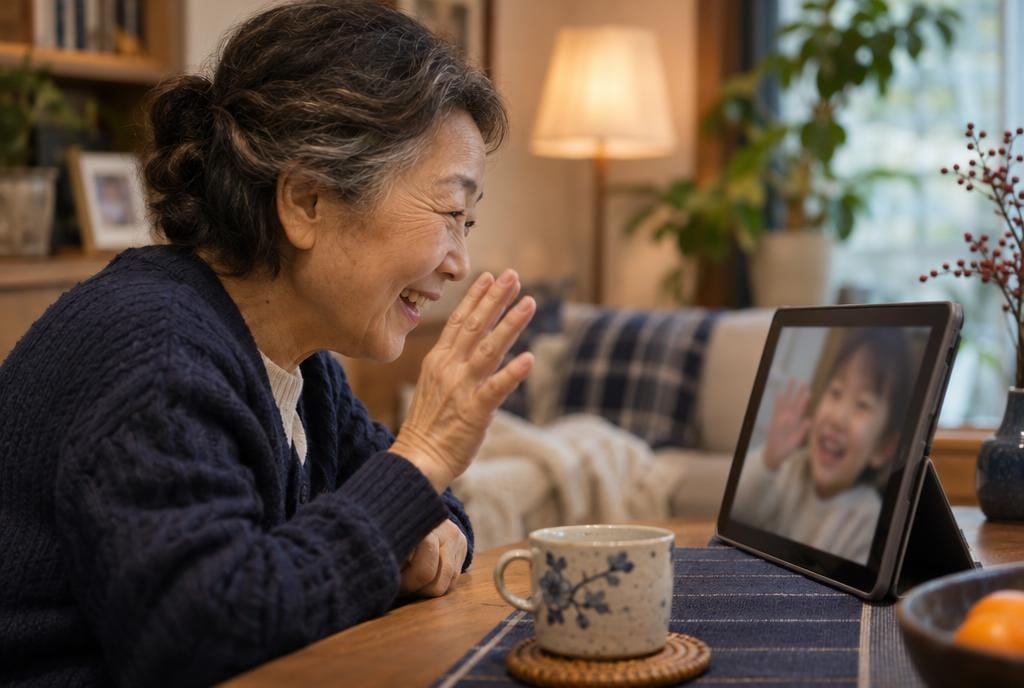
Even where the court determines that contact is appropriate, it can structure the arrangement to address the child’s needs and any concerns raised by the parties.
Depending on the circumstances, a contact order may provide for:
- Regular in-person visits, such as monthly or occasional visits.
- Telephone calls, video calls or other forms of electronic communication.
- Contact during holidays, birthdays or other significant occasions.
- Supervised visits, including through a supervised access centre or an agreed third party.
- Conditions concerning where visits take place, how the child is exchanged and who may be present.
- Restrictions on particular conduct during contact, where necessary to protect the child’s well-being.
For example, where a child has had a positive relationship with a grandparent but there are concerns about conflict between the adults, a court may consider supervised contact or communication in a neutral setting. Where a child is uncomfortable with in-person visits, periodic telephone or video calls may be more appropriate.
How Can Grandparents Apply for Contact?
A grandparent seeking a contact order can start a family court application under Ontario’s Family Law Rules.
In general, the required documents include the following, both available on the Ontario Court Forms website:
- Form 8: Application (General): The application setting out the order being requested.
- Form 35.1: Affidavit (Decision-Making Responsibility, Parenting Time, Contact): The affidavit setting out the proposed plan for the child’s care and upbringing, information about relevant family or criminal proceedings, and other information relevant to the child’s best interests.
The affidavit is particularly important. It should give the court a clear picture of the grandparent’s relationship with the child, the circumstances that led to the breakdown in contact and why the proposed arrangement would benefit the child.
Relevant evidence may include:
- The history of the grandparent’s involvement in the child’s life.
- The frequency and nature of previous visits and communication.
- The extent to which the grandparent participated in the child’s upbringing and care.
- Evidence of the child’s relationship with the grandparent, including photographs, messages, correspondence and other relevant communications.
- The circumstances surrounding the breakdown in contact.
- Any attempts to resolve the dispute or arrange contact.
- The grandparent’s proposed contact schedule and ability to accommodate the child’s needs.
- Any relevant evidence concerning the child’s views and preferences.
A proposed arrangement should be reasonable and focused on the child’s needs, rather than simply the grandparent’s desire for a particular amount of time. The court will also consider any safety concerns, allegations of family violence and the ability of the parties to communicate appropriately.
A grandparent’s willingness to respect parental boundaries, avoid involving the child in adult disputes and support the child’s relationship with their parents may be important when determining whether contact can take place successfully.
Families are complicated. A grandparent may want to remain part of a grandchild’s life, while a parent may have reasons for limiting that relationship.
Whether you are seeking contact or responding to a request for it, court is not necessarily the first step. Our family lawyers can help you explore your options and negotiate a contact arrangement before an application becomes necessary.
Grandparents’ Rights in Ontario: Frequently Asked Questions

Can grandparents seek contact with their grandchildren if the parents are married and living together?
Yes. A grandparent may apply for a contact order regardless of whether the child’s parents are married, living together, separated or divorced. The court’s focus remains on whether contact is in the child’s best interests.
Can grandparents get contact if they have never had a close relationship with their grandchildren?
Yes. Grandparents may still apply for a contact order even if they have not had an established relationship with the child. However, the absence of an existing relationship may make the application more difficult. The court will consider the circumstances, including why the relationship did not develop and whether establishing contact would benefit the child.
Is a contact order the same as decision-making responsibility?
No. A contact order allows a person who is not a parent to spend time or communicate with a child. Decision-making responsibility concerns the authority to make important decisions about a child’s well-being, including decisions about their health, education and upbringing.
Grandparents may apply for decision-making responsibility in circumstances where they believe they should have a greater role in the child’s care. This may arise, for example, where there are serious concerns about a parent’s ability to care for the child, family violence or the death of a parent.
These applications are distinct from applications for contact and involve a separate assessment of the child’s best interests.
Will all children in a family necessarily have the same contact arrangement with their grandparents?
No. The court assesses the best interests of each child individually. Siblings may have different relationships with their grandparents, different views about contact and different needs. An arrangement that is appropriate for one child may not be appropriate for another. A court may therefore make different contact orders for children in the same family.
Does it matter what the child wants?
Yes. The court must consider the child’s views and preferences, giving them due weight in light of the child’s age and maturity. For example, a court may be reluctant to impose in-person contact where an older child has consistently and clearly expressed that they do not wish to attend visits. The child’s wishes are important, but they are not necessarily determinative; the court must still consider the child’s overall best interests.
Speak With an Ontario Family Lawyer About Grandparent Contact
Bani Family Law helps grandparents and parents across Ontario resolve contact and parenting disputes, through negotiation where possible and in court when necessary. Our team is led by principal lawyer Shelly Banihashemi and includes associates Lemooriya Ananthan and Shalu Atwal. You can meet our team to learn more about each lawyer.
We also serve families in their own language through our Persian family lawyer and Tamil family lawyer services.
From our Markham office, we help clients across the Greater Toronto Area and beyond, including Markham, Richmond Hill, Vaughan, Toronto, Scarborough, Mississauga, Brampton, Oshawa, and Barrie.
For answers to other common questions, browse more family law guides. Contact our office to discuss your circumstances and learn how we can assist you.